Chapter 4 of 5
British Life and Culture
Society, faith, arts, sport and the rhythms of everyday life
In this chapter (17)
- The UK Today — Population, Languages and Currency
- Faith and Religion in the UK
- Festivals, Customs and Traditions
- Sport in Britain
- British Music
- Theatre and Performing Arts
- Visual Art and Artists
- Architecture and Design
- Fashion, Furniture and Design
- British Literature and Authors
- Poetry and Poets
- British Cinema and Film
- Humour and Comedy
- Television, Radio and Social Media
- Social Life — Pubs, Leisure and Pets
- Great British Sports Personalities
- Landmarks and Places to Visit
The UK Today — Population, Languages and Currency
Modern Britain is a diverse, multinational society shaped by centuries of immigration and change. Understanding its geography, demographics, currency and languages is essential background for life in the UK.
The UK of today is ethnically, religiously and linguistically richer than at any point in its history — a society shaped by centuries of migration and change.
Geography and daily life
The UK is located in the north west of Europe. The longest distance on the mainland runs from John O'Groats on the north coast of Scotland to Land's End in the south-west corner of England — about 870 miles (approximately 1,400 kilometres). Most people live in towns and cities, but much of Britain remains countryside, visited for walking, camping and fishing.
Capital cities
| Nation | Capital |
|---|---|
| United Kingdom / England | London |
| Scotland | Edinburgh |
| Wales | Cardiff |
| Northern Ireland | Belfast |
Currency
The currency of the UK is the pound sterling (£), divided into 100 pence. Coins are 1p, 2p, 5p, 10p, 20p, 50p, £1 and £2. Notes are £5, £10, £20 and £50. Northern Ireland and Scotland issue their own banknotes, which are valid throughout the UK — though shops and businesses do not have to accept them.
Languages
English has many accents and dialects across the UK. Welsh is spoken in Wales — a completely different language from English — and is taught in schools and universities. In some parts of the Scottish Highlands and Islands, Gaelic is spoken, and some people in Northern Ireland speak Irish Gaelic.
Population and diversity
Population growth has been faster in recent years, driven by migration and longer life expectancy. England accounts for approximately 84% of the total UK population, Scotland just over 8%, Wales around 5%, and Northern Ireland less than 3%. The UK is ethnically diverse, especially in large cities like London, with people of white, Asian, black and mixed descent among many groups. Post-war immigration means nearly 10% of the population has a parent or grandparent born outside the UK.
UK population growth over time
| Year | Population |
|---|---|
| 1600 | Just over 4 million |
| 1700 | 5 million |
| 1801 | 8 million |
| 1851 | 20 million |
| 1901 | 40 million |
| 1951 | 50 million |
| 1998 | 57 million |
| 2005 | Just under 60 million |
| 2010 | Just over 62 million |
| 2022 | Estimated 67.6 million |
An ageing population
People in the UK are living longer than ever before. This is due to improved living standards and better healthcare. There are now a record number of people aged 85 and over. This has an impact on the cost of pensions and healthcare.
An equal society
It is a legal requirement that men and women are not discriminated against because of their gender or marital status. They have equal rights to work, own property, marry and divorce. Both parents are equally responsible for their children. Women make up about half the workforce, leave school with better qualifications than boys on average, and are more likely than men to study at university.
How to remember it
- Capitals: London (UK and England), Edinburgh (Scotland), Cardiff (Wales), Belfast (Northern Ireland).
- England is about 84% of the UK population. The UK total was an estimated 67.6 million in 2022.
- The population doubled from 20 million in 1851 to 40 million in 1901.
Things to remember
- The longest mainland distance is from John O'Groats to Land's End — about 870 miles (1,400 km).
- Capital cities: London (UK and England), Edinburgh (Scotland), Cardiff (Wales), Belfast (Northern Ireland).
- Currency: pound sterling (£), 100 pence to the pound. Coins: 1p to £2. Notes: £5 to £50.
- Scottish and Northern Irish banknotes are valid UK-wide but shops do not have to accept them.
- Welsh is taught in schools and universities; Scottish Gaelic is spoken in parts of the Highlands and Islands.
- England makes up approximately 84% of the UK population.
- UK population (2022): estimated 67.6 million — up from just over 4 million in 1600.
- Population doubled between 1851 (20 million) and 1901 (40 million) — driven by the Industrial Revolution.
- Population growth drivers: migration into the UK and longer life expectancy.
- People in the UK are living longer than ever — a record number are aged 85 and over, affecting the cost of pensions and healthcare.
- Men and women have equal rights to work, own property, marry and divorce — it is a legal requirement.
Faith and Religion in the UK
The UK is historically a Christian country with an established Church in England and a national Church in Scotland. It is also a religiously diverse and tolerant society, with freedom of religion guaranteed for everyone.
The UK is historically Christian, but religious freedom is a fundamental right — and today it is home to people of many faiths and none.
The Church of England
The Church of England came into existence in 1534. The monarch is its head; its spiritual leader is the Archbishop of Canterbury. The monarch has the right to select the Archbishop and other senior officials, though in practice the choice is made by the Prime Minister and a Church committee. Several Church of England bishops sit in the House of Lords. In other countries the Church is known as the Anglican Church; in Scotland and the USA it is called the Episcopal Church.
In Scotland, the national Church is the Church of Scotland, which is Presbyterian — unlike the Church of England, it is not a state Church. Wales and Northern Ireland have no established Church.
Religious freedom and diversity
Everyone in the UK has the right to religious freedom. The country is religiously diverse, with significant communities of Christians, Muslims, Hindus, Sikhs, Jews and people of other faiths, as well as many with no religious belief.
Patron saints and national days
| Nation | Patron saint | Day |
|---|---|---|
| Wales | St David | 1 March |
| Ireland / Northern Ireland | St Patrick | 17 March |
| England | St George | 23 April |
| Scotland | St Andrew | 30 November |
How to remember it
- The Church of England was established in 1534.
- Patron saint days in calendar order: St David (Wales, 1 March), St Patrick (Ireland, 17 March), St George (England, 23 April), St Andrew (Scotland, 30 November).
- Only Scotland and Northern Ireland have their patron saint's day as an official public holiday.
Things to remember
- The Church of England was established in 1534; the monarch is its head and the Archbishop of Canterbury is its spiritual leader.
- Several Church of England bishops sit in the House of Lords.
- The Church of Scotland is Presbyterian — the national Church of Scotland but not a state Church.
- Everyone in the UK has the right to religious freedom.
- Patron saints: St David (Wales, 1 March), St Patrick (Ireland, 17 March), St George (England, 23 April), St Andrew (Scotland, 30 November).
- Only Scotland and Northern Ireland have their patron saint's day as an official public holiday.
Festivals, Customs and Traditions
The UK's calendar is shaped by Christian festivals, national traditions and the celebrations of many faiths — reflecting both its history and its diversity.
From Pancake Day to Bonfire Night, the UK's festive calendar mixes ancient Christian tradition with folk custom and the celebrations of a diverse modern society.
Christmas and Easter
Christmas Day (25 December) celebrates the birth of Jesus Christ and is a public holiday. Many people attend church on Christmas Eve or Christmas Day. Families gather for a special meal — typically roast turkey, Christmas pudding and mince pies — exchange gifts, send cards and decorate their homes and a Christmas tree. Children are told Father Christmas (or Santa Claus) brings their presents. Boxing Day (26 December) is also a public holiday.
Easter falls in March or April and marks the death of Jesus on Good Friday and his resurrection on Easter Sunday. Good Friday and Easter Monday are both public holidays. Chocolate eggs are given as presents. The 40 days before Easter are called Lent — a period of Christian reflection. Many Christians fast or give something up. Shrove Tuesday (Pancake Day) is the day before Lent begins. Ash Wednesday is the first day of Lent, marked by church services in which an ash cross is placed on the forehead.
Other religious festivals
Diwali — celebrated over five days in October or November — is the Hindu and Sikh festival of lights, marking the victory of good over evil. Hanukkah is an eight-day Jewish festival in November or December, during which a candle is lit on the menorah each day. Muslims celebrate Eid al-Fitr at the end of Ramadan and Eid ul Adha to remember the prophet Ibrahim. Vaisakhi (14 April) is a Sikh festival celebrating the founding of the Khalsa.
Other traditions and customs
New Year's Day (1 January) is a public holiday. In Scotland, Hogmanay is celebrated on 31 December and 2 January is also a public holiday there. Valentine's Day (14 February) is for exchanging cards and gifts with loved ones. April Fool's Day (1 April) is a day for playing jokes, traditionally until midday. Mother's Day falls on the Sunday three weeks before Easter; Father's Day is the third Sunday in June. Halloween (31 October) sees young people dress up and play trick or treat.
Bonfire Night on 5 November commemorates the failure of the Gunpowder Plot of 1605, when Guy Fawkes was caught trying to blow up the Houses of Parliament. It is marked with fireworks and bonfires. Remembrance Day on 11 November honours those who have died fighting for the UK. A two-minute silence is observed at 11.00 am. People wear poppies, and wreaths are laid at the Cenotaph in Whitehall, London, attended by the monarch.
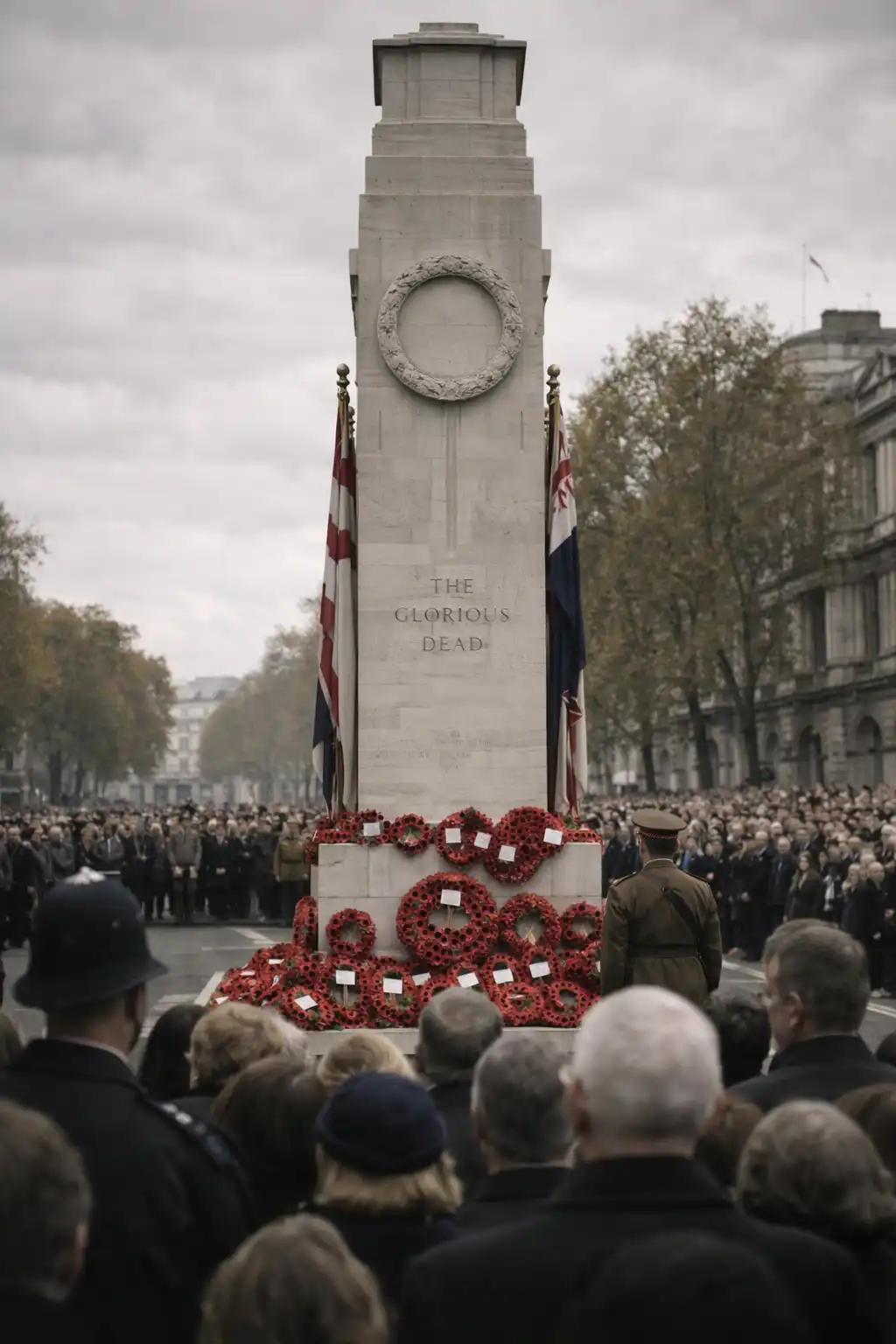
Bank holidays are public holidays on which most businesses and schools are closed. They fall at the beginning of May, in late May or early June, and in August. In Northern Ireland, the anniversary of the Battle of the Boyne in July is an additional bank holiday.
How to remember it
- Bonfire Night is 5 November and commemorates the failed Gunpowder Plot of 1605. Remembrance Day is 11 November, with a two-minute silence at 11.00 am.
- Hogmanay (31 December) is New Year in Scotland. 2 January is also a public holiday there, and 'Auld Lang Syne' is traditionally sung.
- Shrove Tuesday (Pancake Day) is the day before Lent. Ash Wednesday is the first day of Lent.
Things to remember
- Christmas Day (25 December) and Boxing Day (26 December) are public holidays.
- Easter: Good Friday and Easter Monday are public holidays. Marks the death and resurrection of Jesus.
- Shrove Tuesday (Pancake Day) is the day before Lent; Ash Wednesday is the first day of Lent.
- Diwali: Hindu and Sikh festival of lights (October/November, 5 days).
- Hanukkah: Jewish festival (November/December, 8 days) — a candle lit on the menorah each day.
- Vaisakhi (14 April): Sikh festival celebrating the founding of the Khalsa.
- Bonfire Night (5 November): commemorates failure of the Gunpowder Plot 1605.
- Remembrance Day (11 November): two-minute silence at 11.00 am; poppies worn; wreaths at the Cenotaph.
- Hogmanay (31 December) marks the New Year in Scotland — 2 January is also a public holiday there. Robert Burns's song 'Auld Lang Syne' is traditionally sung.
- Bank holidays fall at the beginning of May, in late May or early June, and in August. Northern Ireland also observes the Battle of the Boyne (July) as a bank holiday.
Sport in Britain
Britain has a remarkable sporting heritage — many of the world's most popular sports were invented here. The country has hosted the Olympics three times and produced exceptional athletes across a wide range of disciplines.
Cricket, football, rugby, golf and tennis — all invented in Britain, all now played around the world.
The major sports
Cricket originated in England and is now played across many countries. The most famous competition is the Ashes, played between England and Australia. Football is the UK's most popular sport; the first professional clubs were formed in the late 19th century, and the FA Cup — the oldest football competition in the world — has been held since 1871–72. England, Scotland, Wales and Northern Ireland each have their own leagues and national teams. England won the World Cup in 1966. Rugby originated in England in the early 19th century and has two forms — rugby union and rugby league. The Six Nations Championship involves England, Ireland, Scotland, Wales, France and Italy.
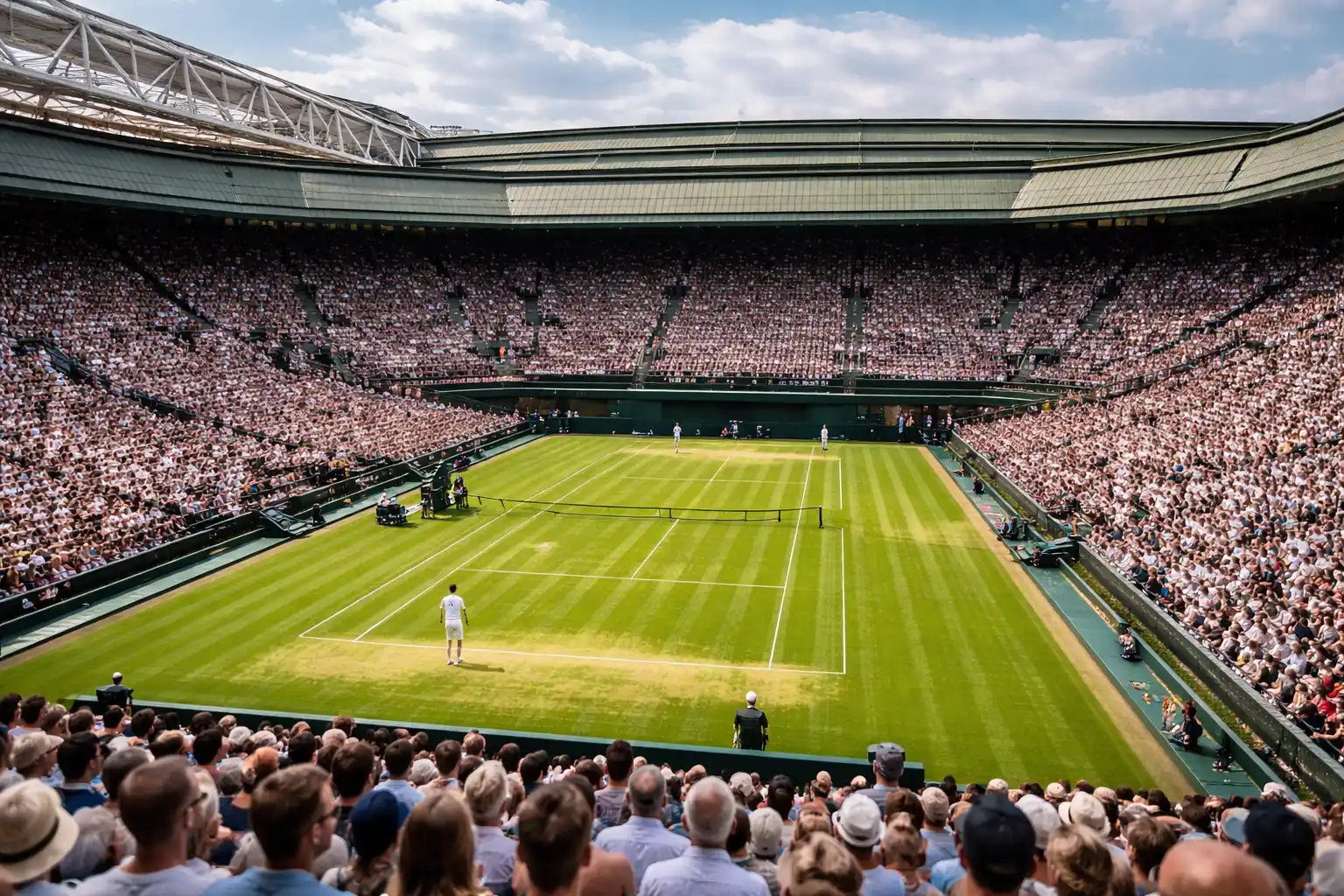
Modern golf can be traced to 15th-century Scotland; St Andrews is regarded as the home of golf and hosts The Open Championship, the only 'Major' tournament held outside the United States. Modern tennis evolved in England in the late 19th century — the first tennis club was founded in Leamington Spa in 1872. The Wimbledon Championships, held at the All England Lawn Tennis and Croquet Club, is the oldest tennis tournament in the world (since 1877) and the only Grand Slam played on grass. Andy Murray became the first British man to win Wimbledon since 1936. Horse racing has a long history in the UK with famous events including Royal Ascot (a five-day meeting in Berkshire attended by the Royal Family), the Grand National at Aintree near Liverpool, and the Scottish Grand National at Ayr. There is a National Horseracing Museum in Newmarket, Suffolk.
Water sports and motor racing
Sailing reflects the UK's maritime heritage. Sir Francis Chichester was the first person to sail single-handed around the world in 1966/67; two years later, Sir Robin Knox-Johnston became the first to do so without stopping. The most famous sailing event in the UK takes place at Cowes on the Isle of Wight. Rowing is also popular — the annual Oxford and Cambridge Boat Race on the River Thames is a well-known event. Motor-car racing in the UK started in 1902; the UK remains a world leader in motor-sport technology, and a Formula 1 Grand Prix is held in the UK each year. Recent British Formula 1 world champions include Damon Hill, Lewis Hamilton and Jenson Button.
The Olympic Games
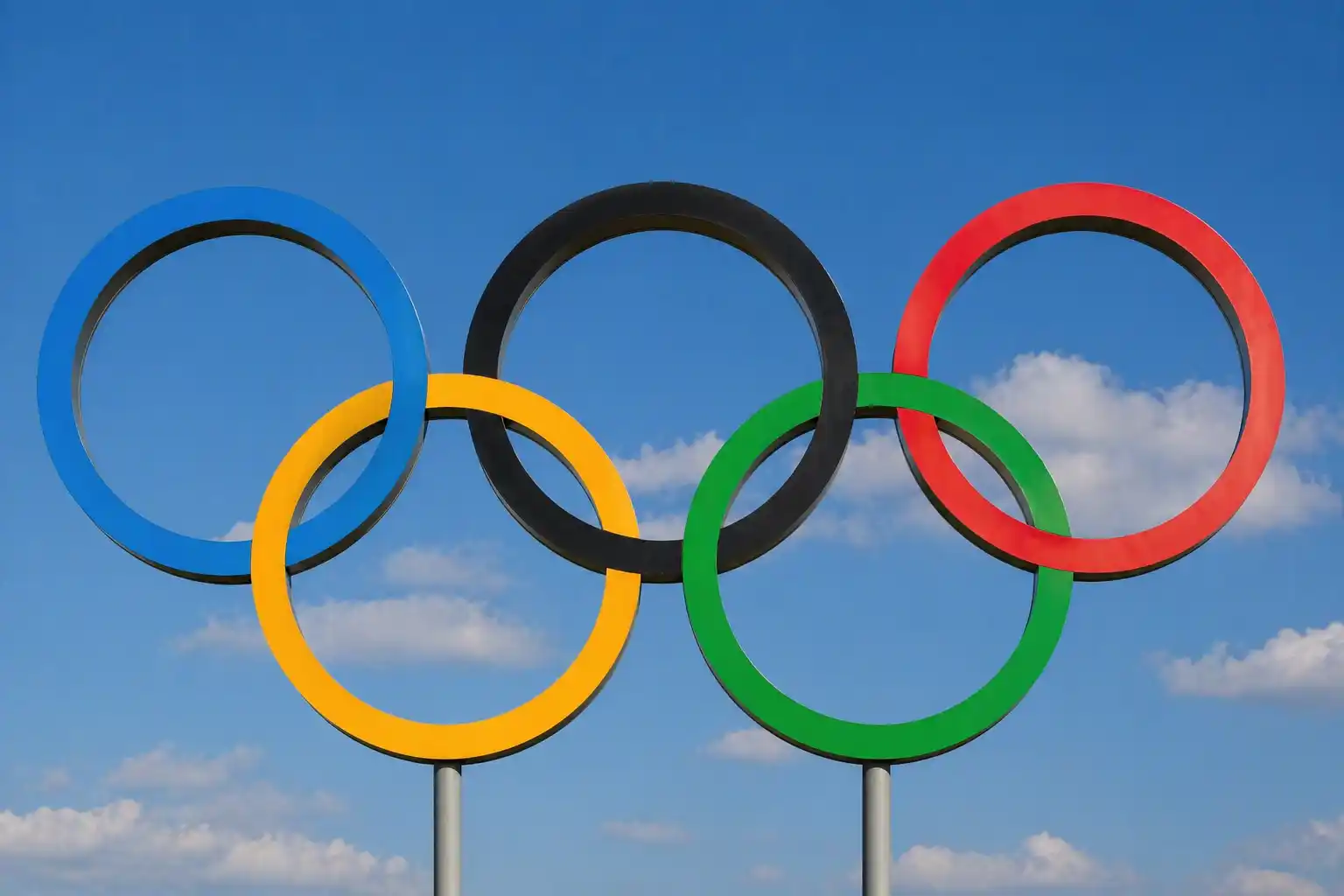
The UK has hosted the Olympic Games three times — in London in 1908, in London again in 1948, and in London in 2012, which also included the Paralympic Games.
How to remember it
- England won the football World Cup in 1966. The Ashes is the cricket competition between England and Australia.
- The Six Nations includes England, Ireland, Scotland, Wales, France and Italy.
- The UK hosted the Olympics in 1908, 1948 and 2012, all in London.
Things to remember
- Sports invented in the UK include cricket, football, rugby, golf and tennis.
- The Ashes is the cricket competition between England and Australia.
- England won the football World Cup in 1966.
- The Six Nations Championship (rugby) includes England, Ireland, Scotland, Wales, France and Italy.
- St Andrews in Scotland is regarded as the home of golf.
- Wimbledon is the oldest tennis tournament in the world and the only Grand Slam on grass.
- The UK hosted the Olympics in 1908, 1948 and 2012 — all in London.
- The FA Cup — the oldest football competition in the world — has been held since 1871–72.
- Wimbledon (The Championships) is the oldest tennis tournament in the world, held since 1877.
- Sir Francis Chichester first to sail solo around the world (1966/67); Sir Robin Knox-Johnston first to do so non-stop (1969).
- Motor-car racing in the UK began in 1902. Recent British F1 champions: Damon Hill, Lewis Hamilton, Jenson Button.
British Music
Britain has produced composers, performers and musical movements that have shaped Western music for centuries — from Purcell's church music and Handel's oratorios to The Beatles, the Last Night of the Proms and Glastonbury.
From Handel's Messiah to the Rolling Stones, British music has shaped the sound of the world.
Classical composers
Henry Purcell (1659–1695) was an organist at Westminster Abbey who wrote church music, operas and other pieces, developing a distinct British style that continues to influence composers. George Frideric Handel (1685–1759) was German-born but became a British citizen in 1727. He wrote Water Music for King George I, Music for the Royal Fireworks for George II, and the oratorio Messiah, which is sung regularly at Easter.
Gustav Holst (1874–1934) composed The Planets and adapted Jupiter as the hymn I vow to thee my country. Sir Edward Elgar (1857–1934), born in Worcester, is best known for his Pomp and Circumstance Marches — the first, Land of Hope and Glory, is played at the Last Night of the Proms. Ralph Vaughan Williams (1872–1958) wrote for orchestras and choirs and was strongly influenced by traditional English folk music. Sir William Walton (1902–1983) wrote marches for the coronations of George VI and Elizabeth II, and is known for Façade (which became a ballet) and Belshazzar's Feast. Benjamin Britten (1913–1976) is best known for his operas Peter Grimes and Billy Budd, his Young Person's Guide to the Orchestra (based on a piece by Purcell), and for founding the Aldeburgh festival in Suffolk.
Popular music, venues and awards
The Beatles and The Rolling Stones continue to have worldwide influence. The punk movement emerged in the late 1970s; boy and girl bands dominated the 1990s. Major venues include Wembley Stadium, The O2 in Greenwich and the SECC in Glasgow. Major festivals include Glastonbury, the Isle of Wight Festival and V Festival. The Mercury Music Prize is awarded each September for the best UK or Irish album. The Brit Awards recognise the best British group, best solo artist and other categories. In Wales, the National Eisteddfod is an annual cultural festival featuring music, dance, art and largely Welsh-language competitions for poetry.
The Proms
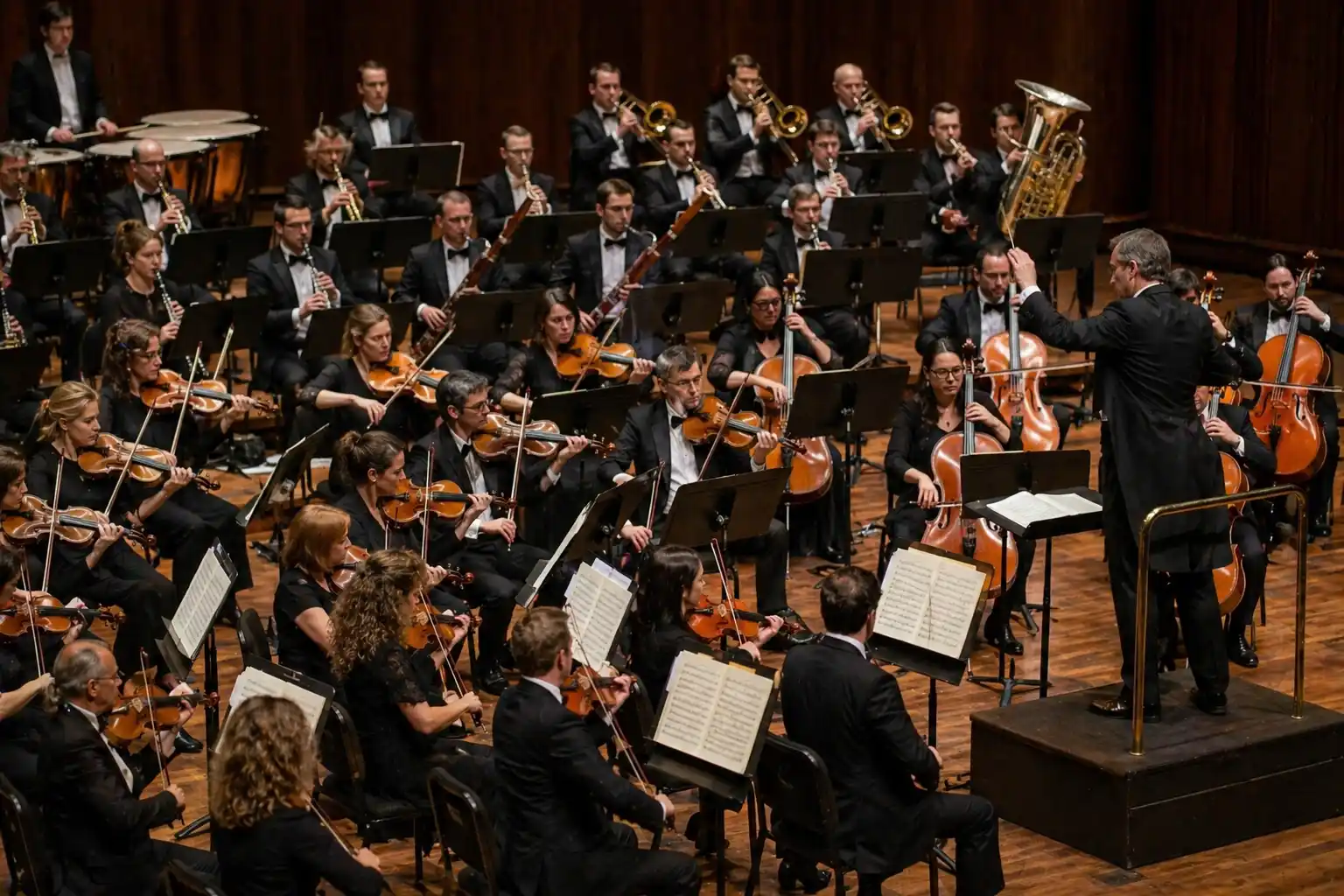
The Proms is an eight-week summer season of orchestral classical music organised by the BBC since 1927. The Last Night of the Proms is its most celebrated concert.
How to remember it
- The Proms is an eight-week BBC orchestral season organised since 1927.
- The Mercury Music Prize goes to the best UK or Irish album and is awarded each September.
- The National Eisteddfod is Wales's annual Welsh-language cultural festival.
Things to remember
- Henry Purcell (1659–1695): organist at Westminster Abbey; developed a distinct British musical style.
- Handel became a British citizen in 1727; his Messiah is sung regularly at Easter.
- Elgar's Land of Hope and Glory (Pomp and Circumstance March No. 1) is played at the Last Night of the Proms.
- Sir William Walton (1902–1983): wrote coronation marches for George VI and Elizabeth II; known for Façade and Belshazzar's Feast.
- Benjamin Britten founded the Aldeburgh festival in Suffolk.
- The Proms is an eight-week BBC orchestral season organised since 1927.
- Mercury Music Prize: best UK or Irish album, awarded each September.
- National Eisteddfod: Wales's annual Welsh-language cultural festival.
Theatre and Performing Arts
Britain has one of the world's great theatrical traditions — from Shakespeare to the West End musical, from Gilbert and Sullivan to Andrew Lloyd Webber, and from pantomime to the Edinburgh Festival Fringe.
London's West End and the Edinburgh Festival Fringe represent two poles of British theatre — the established and the experimental.
The West End
Theatres exist in most towns and cities, and London's West End is known as Theatreland. The Mousetrap, written by Dame Agatha Christie, has been running in the West End since 1952 — the longest initial run of any show in history.
Musical theatre
Gilbert and Sullivan wrote popular comic operas in the 19th century, including HMS Pinafore, The Pirates of Penzance and The Mikado. Andrew Lloyd Webber (working with Tim Rice on some) wrote Jesus Christ Superstar, Evita, Cats and The Phantom of the Opera — productions that became global phenomena.
Pantomime and the Edinburgh Festival
Pantomime is a traditional form of Christmas theatre based on fairy stories. It features the Dame — a comic female character played by a man — and often a pantomime horse or cow played by two actors in a single costume. The Edinburgh Festival takes place every summer. The Edinburgh Festival Fringe is its largest part and has become the world's biggest arts festival, showcasing theatre and comedy, much of it experimental.
The Olivier Awards
The Laurence Olivier Awards are annual theatre awards presented in London, with categories including best director, best actor and best actress. They are named after Sir Laurence Olivier, renowned for his Shakespeare roles.
How to remember it
- In pantomime, the Dame is a woman played by a man.
- The Edinburgh Festival Fringe is the world's biggest arts festival.
- The Laurence Olivier Awards are the UK's leading theatre awards.
Things to remember
- The Mousetrap by Agatha Christie has run in the West End since 1952 — the longest initial run in history.
- Gilbert and Sullivan: HMS Pinafore, The Pirates of Penzance, The Mikado.
- Andrew Lloyd Webber: Jesus Christ Superstar, Evita, Cats, The Phantom of the Opera.
- Pantomime features the Dame — a woman played by a man.
- The Edinburgh Festival Fringe is the world's biggest arts festival.
- The Laurence Olivier Awards are the UK's leading theatre awards.
Visual Art and Artists
From medieval religious painting to the Turner Prize, British art spans centuries of tradition and reinvention. The UK's major galleries hold works by some of the world's most celebrated artists.
British art has moved from medieval religious imagery through landscape painting, portraiture and the Pre-Raphaelites to abstraction, pop art and beyond.
Tradition and development
During the Middle Ages most art had a religious theme. After the Protestant Reformation, wealthy families began collecting other types of paintings and sculptures. Many painters working in Britain in the 16th and 17th centuries were from abroad, including Hans Holbein and Sir Anthony Van Dyck.
Major galleries and the Turner Prize
The UK's leading galleries include the National Gallery, Tate Britain and Tate Modern in London, the National Museum in Cardiff and the National Gallery of Scotland in Edinburgh. The Turner Prize was established in 1984 and is named after the landscape painter Joseph Turner. Each year four works are shortlisted and shown at Tate Britain before the winner is announced. It is one of the most prestigious visual art awards in Europe; past winners include Damien Hirst and Richard Wright.
Notable artists
Thomas Gainsborough (1727–1788) was a portrait painter who often depicted subjects in country or garden settings. David Allan (1744–1796) was a Scottish portrait painter known for The Origin of Painting. Joseph Turner (1775–1851) was an influential landscape painter who raised landscape to a serious art form. John Constable (1776–1837) painted landscapes, most famously of Dedham Vale on the Suffolk–Essex border. The Pre-Raphaelites — including Holman Hunt, Dante Gabriel Rossetti and Sir John Millais — painted detailed, brightly coloured pictures on religious and literary themes in the second half of the 19th century.
Sir John Lavery (1856–1941) was a successful Northern Irish portrait painter who painted the Royal Family. Henry Moore (1898–1986) was an English sculptor known for large bronze abstract works. John Petts (1914–1991) was a Welsh artist known for engravings and stained glass. Lucian Freud (1922–2011), German-born British artist, was celebrated for his portraits. David Hockney (1937–) was an important figure in the 1960s pop art movement and continues to be influential.
How to remember it
- The Turner Prize was established in 1984, and the shortlisted works are shown at Tate Britain.
- The Pre-Raphaelites were Holman Hunt, Rossetti and Millais.
- Major galleries: the National Gallery, Tate Britain and Tate Modern in London, the National Museum in Cardiff, and the National Gallery of Scotland in Edinburgh.
Things to remember
- The Turner Prize was established in 1984 and is named after Joseph Turner; shortlisted works are shown at Tate Britain.
- Thomas Gainsborough: portrait painter in country settings.
- John Constable: landscapes of Dedham Vale (Suffolk–Essex border).
- The Pre-Raphaelites (Holman Hunt, Rossetti, Millais): detailed, brightly coloured religious and literary paintings.
- Henry Moore: large bronze abstract sculptures.
- David Hockney: key figure in 1960s pop art.
- Major galleries: National Gallery, Tate Britain, Tate Modern (London); National Museum (Cardiff); National Gallery of Scotland (Edinburgh).
Architecture and Design
Britain's built environment tells its history in stone, glass and steel — from Norman keeps and medieval cathedrals to Wren's St Paul's, the Gothic Revival Parliament and the international modernism of Foster, Rogers and Hadid.
Every period of British history has left its mark in stone — from the White Tower to the Houses of Parliament, from Capability Brown's gardens to Zaha Hadid's curves.
Medieval to 17th century
The medieval period produced great cathedrals in Durham, Lincoln, Canterbury and Salisbury. The White Tower — the central keep of the Tower of London — is a Norman castle built by William the Conqueror. In the 17th century, Inigo Jones designed the Queen's House at Greenwich and the Banqueting House in Whitehall. Sir Christopher Wren designed the new St Paul's Cathedral after the Great Fire of London in 1666.
18th and 19th centuries
The Scottish architect Robert Adam influenced architecture across the UK, Europe and America, designing both interiors and exteriors — including Dumfries House. His ideas influenced the city of Bath, where the Royal Crescent was built. The 19th century brought a Gothic Revival style, seen in the Houses of Parliament, St Pancras Station, and town halls in Manchester and Sheffield. Sir Edwin Lutyens designed New Delhi and created many war memorials, including the Cenotaph in Whitehall — site of the annual Remembrance Day service attended by the monarch, politicians and ambassadors.
Modern architecture and garden design
Contemporary British architects Sir Norman Foster, Lord (Richard) Rogers and Dame Zaha Hadid continue to work on major projects worldwide. In garden design, Lancelot 'Capability' Brown laid out country house grounds to appear natural. Gertrude Jekyll often worked with Lutyens to create colourful garden designs. The Chelsea Flower Show is held annually and showcases garden design.
How to remember it
- The White Tower, in the Tower of London, is a Norman castle built by William the Conqueror.
- Gothic Revival examples: the Houses of Parliament and St Pancras Station.
- The Cenotaph in Whitehall, by Lutyens, is the site of the annual Remembrance Day service.
Things to remember
- The White Tower (Tower of London): Norman castle built by William the Conqueror.
- Inigo Jones: Queen's House (Greenwich) and Banqueting House (Whitehall), 17th century.
- Sir Christopher Wren designed the new St Paul's Cathedral after the 1666 Great Fire.
- Robert Adam (Scottish): influenced architecture across UK, Europe and America; designed Dumfries House.
- Gothic Revival: Houses of Parliament, St Pancras Station, town halls in Manchester and Sheffield.
- The Cenotaph in Whitehall (Lutyens) is the site of the annual Remembrance Day service.
- Modern architects: Sir Norman Foster, Lord Rogers, Dame Zaha Hadid.
Fashion, Furniture and Design
British designers have shaped interiors, fashion and everyday objects for centuries — from Chippendale's furniture to the global impact of Mary Quant, Alexander McQueen and Vivienne Westwood.
From 18th-century furniture to 21st-century fashion, British designers have left a distinctive mark on how the world looks and dresses.
Furniture and interior design
Thomas Chippendale was an influential furniture designer of the 18th century whose name became synonymous with a particular elegant style. Clarice Cliff was a leading Art Deco ceramics designer. Sir Terence Conran was a major 20th-century interior designer who brought modern design to a broad public audience.
Fashion designers
Britain has produced some of the world's most celebrated fashion designers. Mary Quant is credited with popularising the miniskirt in the 1960s. Alexander McQueen was known for dramatic, conceptually bold designs. Vivienne Westwood became a defining figure in British fashion, associated with punk style and later with high-end couture.
How to remember it
- Chippendale means furniture, Cliff means ceramics, Conran means interiors.
- Leading fashion designers: Mary Quant, Alexander McQueen and Vivienne Westwood.
Things to remember
- Thomas Chippendale: 18th-century furniture designer.
- Clarice Cliff: Art Deco ceramics designer.
- Sir Terence Conran: 20th-century interior designer.
- Leading fashion designers: Mary Quant, Alexander McQueen, Vivienne Westwood.
British Literature and Authors
British literature spans from Chaucer to J K Rowling, from Victorian social novels to Nobel laureates. Its literary tradition is among the richest in the world.
From Jane Austen's drawing rooms to Dickens's workhouses, British novelists have mapped the full range of human experience.
Nobel Prize and literary awards
Several British writers have won the Nobel Prize in Literature, including the novelist Sir William Golding, the poet Seamus Heaney and the playwright Harold Pinter. The Man Booker Prize for Fiction is awarded annually for the best novel by an author from the Commonwealth, Ireland or Zimbabwe. It has been awarded since 1968; past winners include Ian McEwan, Hilary Mantel and Julian Barnes.
Notable authors
Jane Austen (1775–1817) wrote novels — including Pride and Prejudice and Sense and Sensibility — focused on marriage and family relationships. Charles Dickens (1812–1870) wrote Oliver Twist and Great Expectations; characters such as Scrooge and Mr Micawber have entered everyday speech. Robert Louis Stevenson (1850–1894) wrote Treasure Island, Kidnapped and Dr Jekyll and Mr Hyde. Thomas Hardy (1840–1928) set his best-known novels — Far from the Madding Crowd and Jude the Obscure — in rural society.
Sir Arthur Conan Doyle (1859–1930), a Scottish doctor, created Sherlock Holmes — one of the first fictional detectives. Graham Greene (1904–1991) wrote novels influenced by religious belief, including Brighton Rock and Our Man in Havana. Evelyn Waugh (1903–1966) wrote satirical novels including Decline and Fall and Brideshead Revisited. Sir Kingsley Amis (1922–1995) is best known for Lucky Jim. J K Rowling (1965–) wrote the Harry Potter series, one of the most successful in publishing history, and also writes fiction for adults.
How to remember it
- Scrooge and Mr Micawber, characters created by Dickens, entered everyday speech.
- J K Rowling wrote the Harry Potter series.
- The Man Booker Prize has been awarded since 1968 to Commonwealth, Irish or Zimbabwean authors.
Things to remember
- Nobel Prize in Literature winners include Sir William Golding, Seamus Heaney and Harold Pinter.
- The Man Booker Prize has been awarded since 1968 to Commonwealth, Irish or Zimbabwean authors.
- Jane Austen: Pride and Prejudice, Sense and Sensibility.
- Charles Dickens: Oliver Twist, Great Expectations — Scrooge and Mr Micawber entered everyday speech.
- Sir Arthur Conan Doyle (Scottish): created Sherlock Holmes.
- J K Rowling: wrote the Harry Potter series.
Poetry and Poets
British poetry stretches from the Anglo-Saxon epic Beowulf to the war poets of the First World War. Many of the greatest poets are commemorated in Poet's Corner in Westminster Abbey.
From the Anglo-Saxon battlefield to the trenches of the Somme, British poetry has always found its language in the hardest moments of human experience.
From medieval times to the Romantics
The Anglo-Saxon poem Beowulf tells of battles against monsters and is still translated into modern English. Geoffrey Chaucer's Canterbury Tales and Sir Gawain and the Green Knight survive from the Middle Ages. Shakespeare wrote many sonnets of 14 lines and longer poems. John Milton wrote Paradise Lost with Protestant religious inspiration. William Wordsworth was inspired by the natural world. Robert Burns (1759–1796), known in Scotland as 'The Bard', wrote in the Scots language, English with some Scottish words, and standard English. He also revised many traditional folk songs. His best-known work is the song 'Auld Lang Syne', sung in the UK and other countries to celebrate the New Year (Hogmanay in Scotland). Sir Walter Scott wrote poems drawing on Scotland and its border stories, and also wrote novels set in Scotland.
The war poets and beyond
Wilfred Owen and Siegfried Sassoon wrote about their direct experiences in the First World War, producing some of the most powerful anti-war poetry in the English language. More recent poets of note include Sir Walter de la Mare, John Masefield, Sir John Betjeman and Ted Hughes. Many of the greatest poets are buried or commemorated in Poet's Corner in Westminster Abbey.
Famous verse extracts
Robert Browning (1812–1889) wrote 'Oh to be in England now that April's there' in Home Thoughts from Abroad. Lord Byron (1788–1824) opened She Walks in Beauty: 'She walks in beauty, like the night / Of cloudless climes and starry skies'. William Wordsworth (1770–1850) described daffodils in The Daffodils: 'I wander'd lonely as a cloud / That floats on high o'er vales and hills / When all at once I saw a crowd, / A host of golden daffodils'. William Blake (1757–1827) opened The Tyger: 'Tyger! Tyger! Burning bright / In the forests of the night'. Wilfred Owen (1893–1918) opened Anthem for Doomed Youth: 'What passing-bells for these who die as cattle? / Only the monstrous anger of the guns'.
How to remember it
- Milton wrote Paradise Lost. Wilfred Owen and Siegfried Sassoon wrote about their experiences in the First World War.
- Match poem to poet: Wordsworth (The Daffodils), Blake (The Tyger), Byron (She Walks in Beauty), Browning (Home Thoughts from Abroad), Owen (Anthem for Doomed Youth).
- Many great poets are commemorated in Poet's Corner, Westminster Abbey.
Things to remember
- Beowulf is an Anglo-Saxon poem still translated into modern English.
- Robert Burns (1759–1796), known as 'The Bard': Scottish poet who wrote in Scots, in English with Scottish words, and in standard English. Best known for the song 'Auld Lang Syne', sung at New Year/Hogmanay.
- John Milton wrote Paradise Lost.
- Wilfred Owen and Siegfried Sassoon wrote about their experiences in WWI.
- Many great poets are commemorated in Poet's Corner, Westminster Abbey.
- Robert Browning: Home Thoughts from Abroad. Byron: She Walks in Beauty. Wordsworth: The Daffodils. Blake: The Tyger. Owen: Anthem for Doomed Youth.
British Cinema and Film
From the silent era to the two highest-grossing film franchises in history, British cinema has produced directors, actors and films of global significance.
Harry Potter and James Bond — the two highest-grossing film franchises in the world — were both produced in Britain.
The early years and key directors
Films were first shown publicly in the UK in 1896. Sir Charles (Charlie) Chaplin became famous in silent movies for his tramp character — one of many British actors who made careers in Hollywood. British studios flourished in the 1930s, with eminent directors including Sir Alexander Korda and Sir Alfred Hitchcock, who later moved to Hollywood but remained important until his death in 1980. During the Second World War, British films such as In Which We Serve helped boost morale. Directors Sir David Lean and Ridley Scott found success in the UK and internationally. Ealing Studios claims to be the oldest continuously working film studio in the world.
Comedy, franchises and awards
The 1950s and 1960s were a high point for British comedies — including Passport to Pimlico, The Ladykillers and the Carry On films. Harry Potter and James Bond are the two highest-grossing film franchises, both produced in the UK. Nick Park has won four Academy Awards for animated films, including three for Wallace and Gromit. Recent Oscar-winning British actors include Colin Firth, Sir Anthony Hopkins, Dame Judi Dench, Kate Winslet and Tilda Swinton. The BAFTA (British Academy Film Awards) are the UK equivalent of the Oscars.
Notable British films
- The 39 Steps (1935) — Alfred Hitchcock
- Brief Encounter (1945) — David Lean
- The Third Man (1949) — Carol Reed
- Lawrence of Arabia (1962) — David Lean
- Chariots of Fire (1981) — Hugh Hudson
- Four Weddings and a Funeral (1994) — Mike Newell
How to remember it
- Films were first shown publicly in the UK in 1896.
- Ealing Studios claims to be the oldest continuously working film studio in the world.
- Harry Potter and James Bond are the two highest-grossing film franchises, and both were produced in the UK.
- BAFTA is the British equivalent of the Oscars.
Things to remember
- Films first shown publicly in the UK in 1896.
- Charlie Chaplin became famous for his silent-movie tramp character.
- Alfred Hitchcock: worked in British studios before moving to Hollywood; influential until death in 1980.
- Ealing Studios claims to be the oldest continuously working film studio in the world.
- Harry Potter and James Bond are the two highest-grossing film franchises — both produced in the UK.
- Nick Park won four Oscars for animated films, including three for Wallace and Gromit.
- BAFTA is the British equivalent of the Oscars.
Humour and Comedy
Comedy is woven into British culture — from medieval jesters and Shakespeare's fools to music hall, television sitcoms, Monty Python and the modern stand-up era.
Britain has laughed at itself — and at those in power — for centuries. The tradition of satire runs from royal jesters to Private Eye.
A long tradition of satire
Medieval kings kept jesters at court. Shakespeare included comic characters in his plays. In the 18th century, political cartoons attacked politicians and royals with sharp wit. In the 19th century, satirical magazines emerged — Punch was first published in the 1840s. Today, political cartoons in newspapers and the magazine Private Eye continue that tradition.
Music hall to television and beyond
Music hall was a popular form of variety theatre until television replaced it. Performers such as Morecambe and Wise moved from music hall to television stardom. Television sitcoms exploring family life and workplace relationships have remained popular. Satire returned to television with That Was The Week That Was in the 1960s and Spitting Image in the 1980s and 1990s. Monty Python's Flying Circus introduced a new style of absurdist, progressive comedy in 1969. Stand-up comedy — a solo comedian performing to a live audience — has become increasingly popular in recent decades.
How to remember it
- Monty Python's Flying Circus introduced a new style of comedy in 1969.
- Morecambe and Wise moved from music hall to television stardom.
- Medieval kings had jesters, and Shakespeare included comic characters in his plays.
Things to remember
- Medieval kings had jesters; Shakespeare included comic characters in his plays.
- Punch magazine was first published in the 1840s — part of a long tradition of political satire.
- Morecambe and Wise moved from music hall to television stardom.
- Monty Python's Flying Circus introduced a new style of comedy in 1969.
- That Was The Week That Was (1960s) and Spitting Image (1980s–90s) are key television satire programmes.
Television, Radio and Social Media
The BBC is the world's largest broadcaster and a uniquely British institution funded by the TV licence fee. Understanding the licence rules and how broadcasting works in the UK is regularly tested.
The BBC — funded by the television licence fee — is the world's largest broadcaster and the only wholly state-funded media organisation independent of government.
Television
Many television channels are available in the UK — some free, some by subscription. Popular programmes include soap operas such as Coronation Street and EastEnders. Scotland has specific programmes and a Gaelic-language channel; Wales has a Welsh-language channel; Northern Ireland has its own programmes and some in Irish Gaelic.
The TV licence
Everyone who watches live television — or uses a computer or other device to watch TV — must have a TV licence. One licence covers all equipment in a single home; in shared houses with separate tenancy agreements each person needs their own. People aged over 75 can apply for a free TV licence. Blind people can get a 50% discount. Watching television without a licence can result in a fine of up to £1,000.
The BBC, radio and social media
The licence fee funds the BBC (British Broadcasting Corporation) — the world's largest broadcaster and the only wholly state-funded media organisation independent of government. Other UK channels are funded through advertising and subscriptions. There are many national and regional radio stations; BBC radio is funded by the TV licence while others are funded through advertising. Some stations broadcast in Welsh or Gaelic. Social media platforms such as Facebook and Twitter are widely used to stay in touch, organise events and share opinions.
How to remember it
- One licence covers all equipment in one home, unless there are separate tenancy agreements.
- Watching TV without a licence can lead to a fine of up to £1,000.
- The BBC is the world's largest broadcaster.
Things to remember
- A TV licence is required by anyone who watches live television or uses a device to watch TV.
- One licence covers all equipment in one home — unless there are separate tenancy agreements.
- Over-75s can apply for a free TV licence; blind people receive a 50% discount.
- Watching TV without a licence can result in a fine of up to £1,000.
- The BBC is the world's largest broadcaster, funded by the TV licence fee, and is independent of government.
- Other UK channels are funded through advertising and subscriptions.
Social Life — Pubs, Leisure and Pets
The pub is at the heart of British social life, the National Lottery is part of weekly routine, and pets — especially dogs — come with clear legal responsibilities.
The local pub, the lottery ticket and the family dog are all part of the fabric of everyday life in Britain — and all come with rules worth knowing.
Shopping
Most towns and cities have a central shopping area — the town centre. Undercover shopping centres are also common, in town centres or on the outskirts. Most shops in the UK are open seven days a week, though trading hours on Sundays and public holidays are generally reduced. Many towns have markets on one or more days a week where stallholders sell a variety of goods.
Traditional foods
A wide variety of food is eaten in the UK, reflecting its rich cultural heritage and diverse population. Several dishes are traditionally associated with particular parts of the country: England with roast beef (served with potatoes, vegetables and Yorkshire puddings) and fish and chips; Wales with Welsh cakes (a snack made from flour, dried fruits and spices, served hot or cold); Scotland with haggis (sheep's stomach stuffed with offal, suet, onions and oatmeal); and Northern Ireland with the Ulster fry (a fried meal with bacon, eggs, sausage, black pudding, white pudding, tomatoes, mushrooms, soda bread and potato bread).
Pubs
The pub (public house) is an important part of UK social culture and most communities have a local. Traditional activities include pub quizzes, pool and darts. You must be 18 or over to buy alcohol in a pub. People under 18 may be allowed in some pubs when accompanied by an adult. At age 16, people can drink wine or beer with a meal in a hotel or restaurant — including the eating area of a pub — if accompanied by someone over 18. Pubs usually open from 11.00 am, or 12 noon on Sundays. Night clubs typically open and close later than pubs.
Gambling and the National Lottery
Betting shops and gambling clubs require customers to be 18 or over. The National Lottery holds draws every week; you can enter by buying a ticket or a scratch card. The minimum age for the National Lottery is 18, raised from 16 in April 2021.
Pets
It is illegal to treat a pet cruelly or to neglect it. All dogs in public places must wear a collar showing the owner's name and address. The owner is responsible for keeping the dog under control and for cleaning up after it in public.
How to remember it
- Traditional foods: England (roast beef, fish and chips), Wales (Welsh cakes), Scotland (haggis), Northern Ireland (Ulster fry).
- Dogs in public must wear a collar showing the owner's name and address. It is illegal to treat a pet cruelly or to neglect it.
- Pubs usually open from 11.00 am, and from 12 noon on Sundays.
Things to remember
- Most shops open 7 days a week; reduced hours Sundays and bank holidays. Many towns have weekly markets.
- Traditional foods: England — roast beef and fish and chips; Wales — Welsh cakes; Scotland — haggis; Northern Ireland — Ulster fry.
- Must be 18 or over to buy alcohol in a pub.
- At age 16, people can drink wine or beer with a meal in a pub's eating area if accompanied by someone over 18.
- Pubs usually open from 11.00 am; 12 noon on Sundays.
- Minimum age for betting shops and gambling clubs is 18.
- Minimum age for the National Lottery is 18 (raised from 16 in April 2021).
- All dogs in public must wear a collar showing the owner's name and address.
- It is illegal to treat a pet cruelly or to neglect it.
Great British Sports Personalities
Britain has produced some of the world's most celebrated sportspeople — Olympic champions, world record holders and pioneers who have defined their disciplines.
From Roger Bannister's four-minute mile to Steve Redgrave's five consecutive Olympic golds, British sport has produced defining moments in world athletic history.
Olympic and Paralympic champions
Sir Roger Bannister (1929–) was the first person to run a mile in under four minutes, achieving this in 1954. Sir Steve Redgrave (1962–) won rowing gold medals at five consecutive Olympic Games — one of Britain's greatest Olympians. Baroness Tanni Grey-Thompson (1969–) won 16 Paralympic medals, including 11 gold, across five Games, won the London Marathon six times and broke 30 world records. Dame Kelly Holmes (1970–) won two gold medals at the 2004 Olympic Games. Sir Chris Hoy (1976–), a Scottish cyclist, won six Olympic gold and one silver medal and 11 world championship titles. David Weir (1979–) won six Paralympic gold medals across two Games and the London Marathon six times. Bradley Wiggins (1980–) became the first Briton to win the Tour de France in 2012 and won seven Olympic medals including gold in 2004, 2008 and 2012. Mo Farah (1983–), born in Somalia, won gold in both the 5,000m and 10,000m at the 2012 Olympics — the first Briton to win Olympic gold in the 10,000m. Jessica Ennis (1986–) won Olympic heptathlon gold in 2012. Ellie Simmonds (1994–) won Paralympic swimming gold at the 2008 and 2012 Games and was the youngest British team member in 2008.
Other notable figures
Sir Jackie Stewart (1939–), Scottish, won the Formula 1 world championship three times. Bobby Moore (1941–1993) captained England's World Cup-winning football team in 1966. Sir Ian Botham (1955–) captained the England cricket team and holds several English Test cricket records. Jayne Torvill (1957–) and Christopher Dean (1958–) won Olympic gold for ice dancing at the 1984 Games and in four consecutive world championships. Dame Ellen MacArthur (1976–) became the fastest person to sail single-handed around the world in 2004. Andy Murray (1987–), Scottish, in 2012 became the first British man to win a Grand Slam singles title since 1936, winning the US Open, and also won Olympic gold and silver that year.
How to remember it
- Scottish sports stars in this section: Jackie Stewart, Chris Hoy and Andy Murray.
- Steve Redgrave won rowing gold at five consecutive Olympics.
- Tanni Grey-Thompson won 16 Paralympic medals, 11 of them gold, and the London Marathon six times.
Things to remember
- Roger Bannister: first to run a mile in under four minutes, 1954.
- Jackie Stewart (Scottish): won Formula 1 world championship three times.
- Bobby Moore: captained England to World Cup victory in 1966.
- Steve Redgrave: rowing gold at five consecutive Olympics.
- Tanni Grey-Thompson: 16 Paralympic medals (11 gold) across five Games; won London Marathon six times.
- Chris Hoy (Scottish): six Olympic gold medals and 11 world championships.
- Bradley Wiggins: first Briton to win the Tour de France (2012).
- Mo Farah: gold in 5,000m and 10,000m at 2012 Olympics — first Briton to win Olympic 10,000m gold.
- Andy Murray (Scottish): first British man to win a Grand Slam since 1936 (US Open 2012).
- Ellen MacArthur: fastest solo circumnavigation of the world, 2004.
Landmarks and Places to Visit
From the iconic clock tower at Westminster to the volcanic columns of the Giant's Causeway, the UK's landmarks span geological wonders, medieval fortresses, modern engineering and protected natural landscapes.
The UK's landmarks range from a 50-million-year-old geological formation to a millennium Ferris wheel — each one a piece of the national story.
Iconic landmarks
Big Ben is the nickname for the great bell of the clock at the Houses of Parliament in London. The clock is over 150 years old. The tower is officially named the Elizabeth Tower, renamed in 2012 to honour Queen Elizabeth II's Diamond Jubilee. The London Eye stands on the southern bank of the River Thames — a Ferris wheel 443 feet (135 metres) tall, originally built for the millennium celebrations and still used for New Year events. The Tower of London was first built by William the Conqueror after 1066. Tours are given by Yeoman Warders (Beefeaters) and the Crown Jewels are kept there.
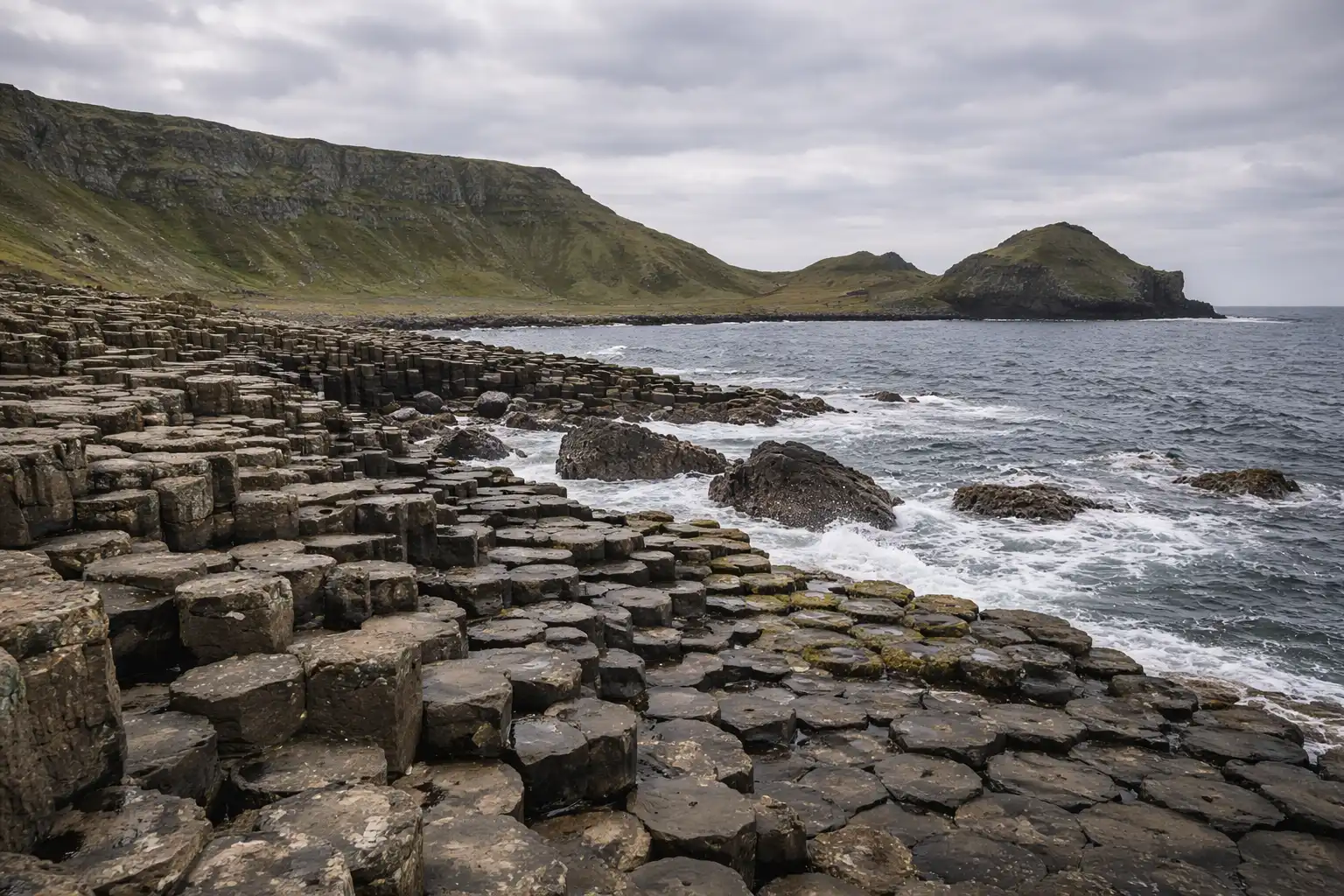
Edinburgh Castle dominates the Edinburgh skyline with a history dating back to the early Middle Ages; it is looked after by Historic Scotland. The Eden Project in Cornwall houses plants from all over the world in giant greenhouses called biomes and runs environmental and social projects internationally. The Giant's Causeway on the north-east coast of Northern Ireland is a natural land formation of columns made from volcanic lava, formed about 50 million years ago.
National parks and landscapes
Loch Lomond and the Trossachs National Park in west Scotland covers 720 square miles (1,865 sq km); Loch Lomond is the largest expanse of fresh water in mainland Britain. Snowdonia is a national park in North Wales covering 838 square miles (2,170 sq km); Snowdon is the highest mountain in Wales. The Lake District is England's largest national park, covering 885 square miles (2,292 sq km); Windermere is its largest stretch of water. In 2007, television viewers voted Wastwater as Britain's favourite view.
The National Trust and national parks
The National Trust is a charity preserving important buildings, coastline and countryside in England, Wales and Northern Ireland. Founded in 1895 by three volunteers, it now has more than 61,000 volunteers. The National Trust for Scotland is its Scottish equivalent. There are 15 national parks in England, Wales and Scotland — protected areas of countryside where people live, work and look after the landscape.
| Landmark | Location | Key fact |
|---|---|---|
| Big Ben / Elizabeth Tower | Houses of Parliament, London | Clock 150+ years old; tower renamed 2012 for Diamond Jubilee |
| London Eye | South bank, River Thames | 443 ft (135m) tall; built for the millennium |
| Tower of London | London | Built by William the Conqueror; Crown Jewels kept here |
| Edinburgh Castle | Edinburgh | History from early Middle Ages; cared for by Historic Scotland |
| Giant's Causeway | NE coast, Northern Ireland | Volcanic lava columns formed ~50 million years ago |
| Eden Project | Cornwall | Giant biome greenhouses; environmental charity |
| Lake District | England | Largest English national park — 885 sq miles; largest lake: Windermere |
| Snowdonia | North Wales | 838 sq miles; highest mountain in Wales: Snowdon |
| Loch Lomond | West Scotland | Largest fresh water in mainland Britain; part of 720 sq mile national park |
How to remember it
- The London Eye is 443 feet (135 metres) tall and was built for the millennium.
- The Tower of London was built by William the Conqueror, and the Crown Jewels are kept there.
- The Giant's Causeway in Northern Ireland was formed by volcanic lava about 50 million years ago.
- The Lake District is England's largest national park, and Windermere is its largest lake. The National Trust was founded in 1895.
Things to remember
- Big Ben is the name of the bell; the tower is officially the Elizabeth Tower (renamed 2012).
- The London Eye is 443 feet (135 metres) tall and was built for the millennium.
- The Tower of London was built by William the Conqueror; the Crown Jewels are kept there.
- The Giant's Causeway in Northern Ireland was formed by volcanic lava about 50 million years ago.
- The Lake District is England's largest national park (885 sq miles); largest lake is Windermere.
- The National Trust was founded in 1895 by three volunteers; now has over 61,000 volunteers.
- There are 15 national parks in England, Wales and Scotland.
Finished Chapter 4?